Species-appropriate cut
How hard we cut is set by what the plant is and how it regrows. We do not take a conifer back into bare wood, and we do not baby a photinia that needs a hard trim.
Hedges & Screens
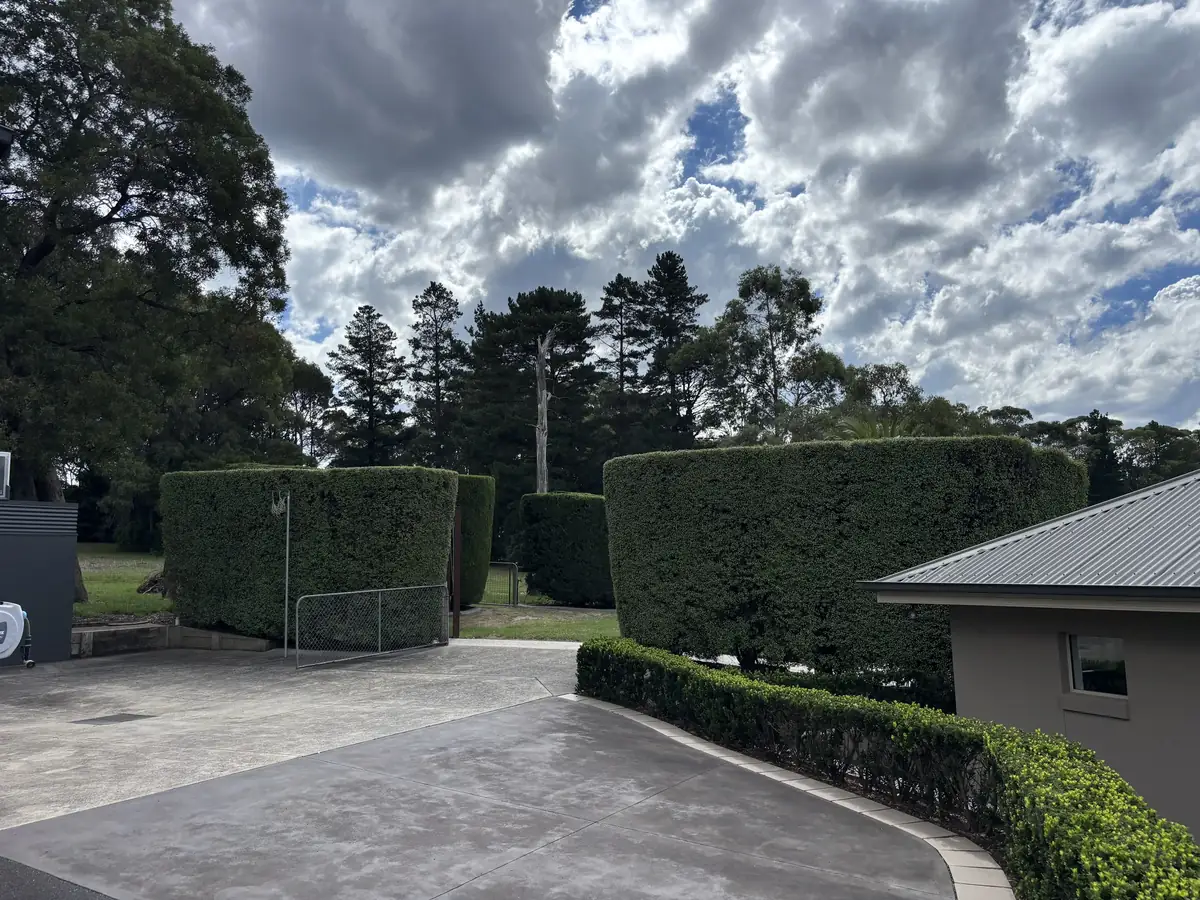
Blue Hills trims, shapes and reduces hedges across Berwick, Narre Warren, Pakenham, Officer and Beaconsfield. We handle routine maintenance trims on formal hedges, height and width reductions on hedges that have outgrown their space, and restoration cuts on screens that have been left too long. Every cutting is raked out and cleared as part of the job, and green waste is taken off site where your quote includes removal.
The Service
Free on-site assessment, a fixed price in writing, and no obligation either way.
Get a Free QuoteA hedge is the most visible thing on most properties, and it is also the thing most likely to be cut badly. Trim too lightly and it thickens outward year after year until it has eaten a metre of your driveway. Trim too hard into bare wood on the wrong species and it never fills back in.
Blue Hills trims to the species. Photinia, viburnum, lilly pilly, murraya, box and conifer all respond differently to how hard and how often they are cut. We work to the growth point that keeps the face dense, taper the sides slightly so light reaches the base, and keep the top true rather than rounded by accident.
For hedges that have already got away, we do staged reductions. Bringing an overgrown screen back in one aggressive cut often kills the face. Taking it back over two or three visits across a season gives the plant time to push new growth and hold the shape you actually wanted.
What's Included
The cut is only part of it. What separates a professional hedge job is the preparation, the line and the clean-up.
How hard we cut is set by what the plant is and how it regrows. We do not take a conifer back into bare wood, and we do not baby a photinia that needs a hard trim.
Faces cut to a straight, level line rather than following the existing bulge. Long runs are strung or sighted so the finish reads straight from the street.
Sides cut with a slight taper, narrower at the top, so light reaches the base of the hedge and the bottom does not go bare and leggy.
Bringing tall screens down to a workable height, staged over multiple visits where the species needs time to recover.
Reclaiming driveways, paths and fence lines from hedges that have crept outward over several seasons of light trimming.
Cuttings raked out of beds and off lawns and hard surfaces blown down on every visit. Where your quote includes green waste removal we load it and take it away; on smaller trims we will use your green bin instead if that is appropriate, without overfilling it.
How It Works
Every hedge gets assessed before a blade touches it. That is what stops a maintenance trim turning into a two-year recovery.
We identify what the hedge is, how much old wood is in it, whether the base is going bare, and how far it can safely be cut this season.
You tell us the height and line you want. We tell you honestly whether it can be reached in one visit or needs staging, and what it will look like immediately after.
Faces and top cut to line, sides tapered, dead and crossing material taken out of the interior where it is restricting airflow.
Beds raked out, lawns cleared, paths blown down and every cutting collected. Green waste leaves with us when removal is in your quote, or goes in your green bin on smaller jobs. The hedge should be the only evidence we were there.
What It Costs
Hedge work is quoted per job rather than per hour. The three variables that move the price are total run length, finished height, and how much material is coming off — a maintenance trim on a hedge we cut six months ago is a fraction of the cost of a first restoration cut on the same hedge.
Access matters too. A hedge you can walk both sides of is straightforward. A boundary hedge with a two-metre drop on the neighbour side, or a screen against a retaining wall, takes longer and needs more care.
Hedge trimming is often booked alongside garden maintenance or a scheduled mowing visit, which is the cheapest way to have it done — the crew is already on site.
Recent Work
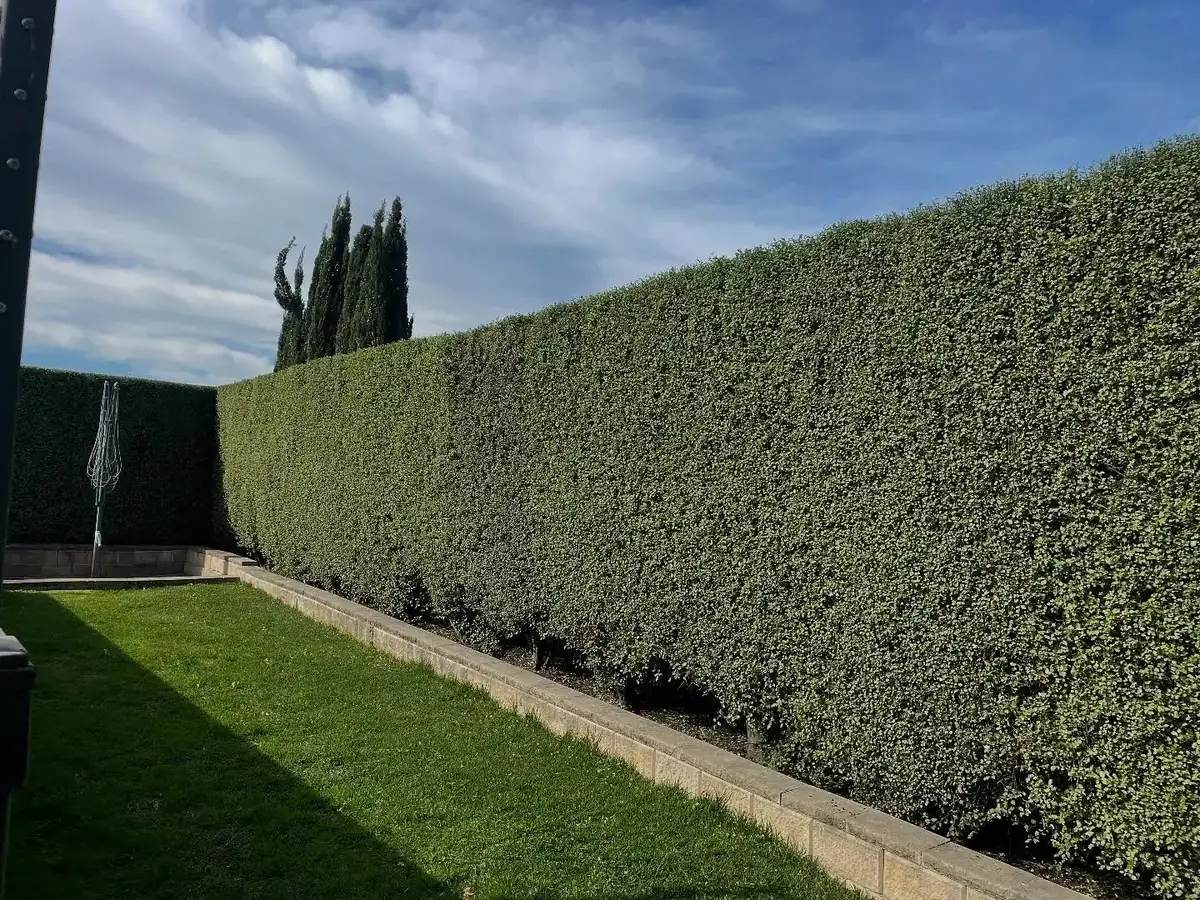
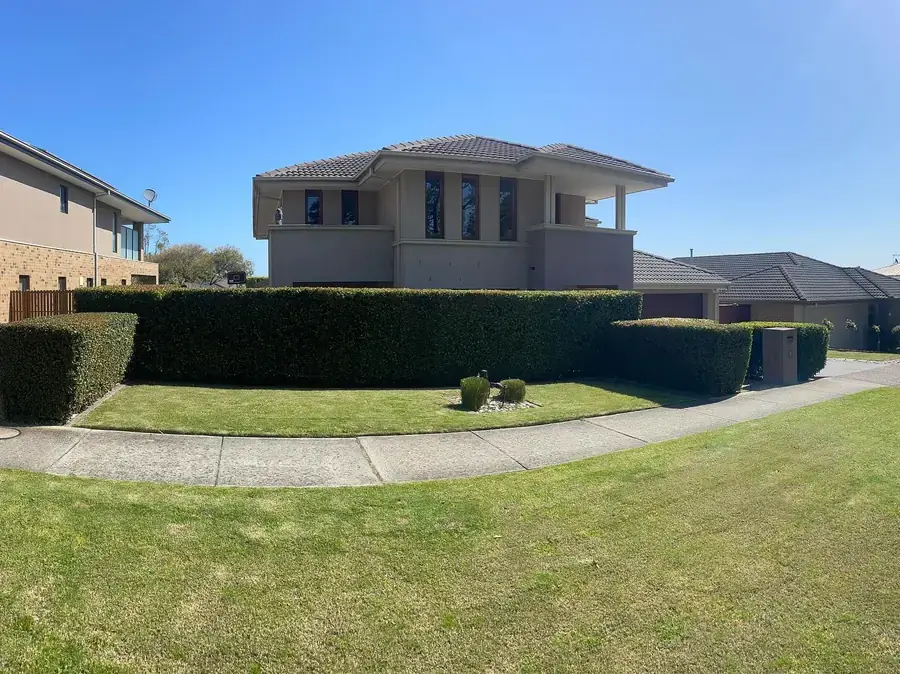
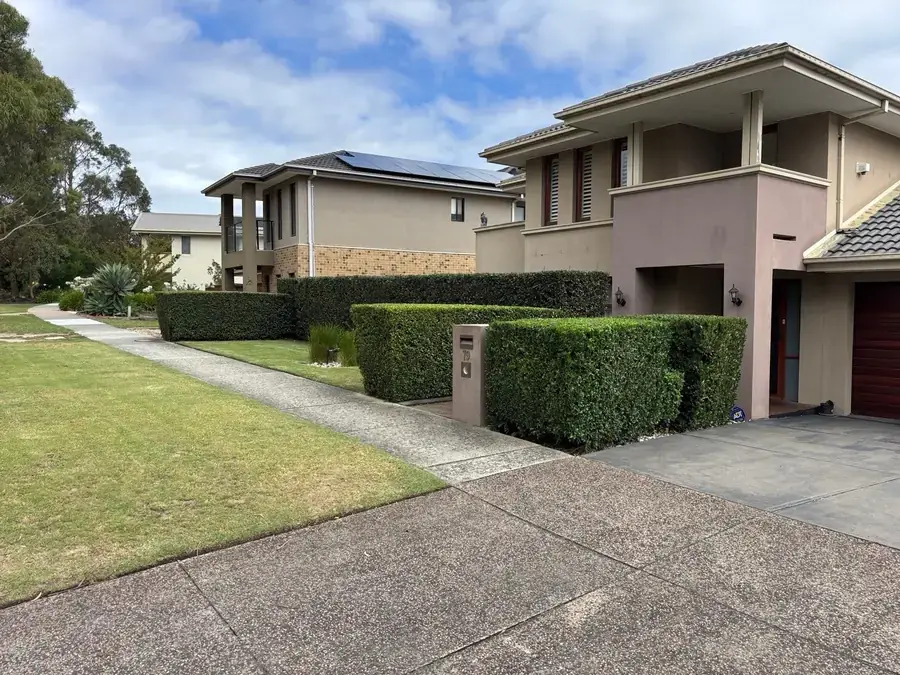
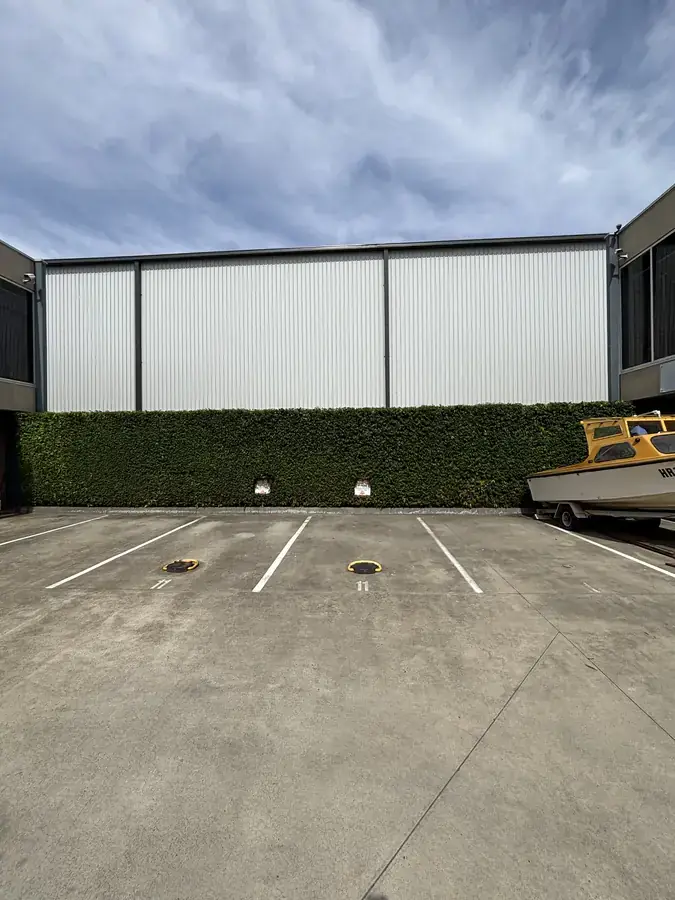
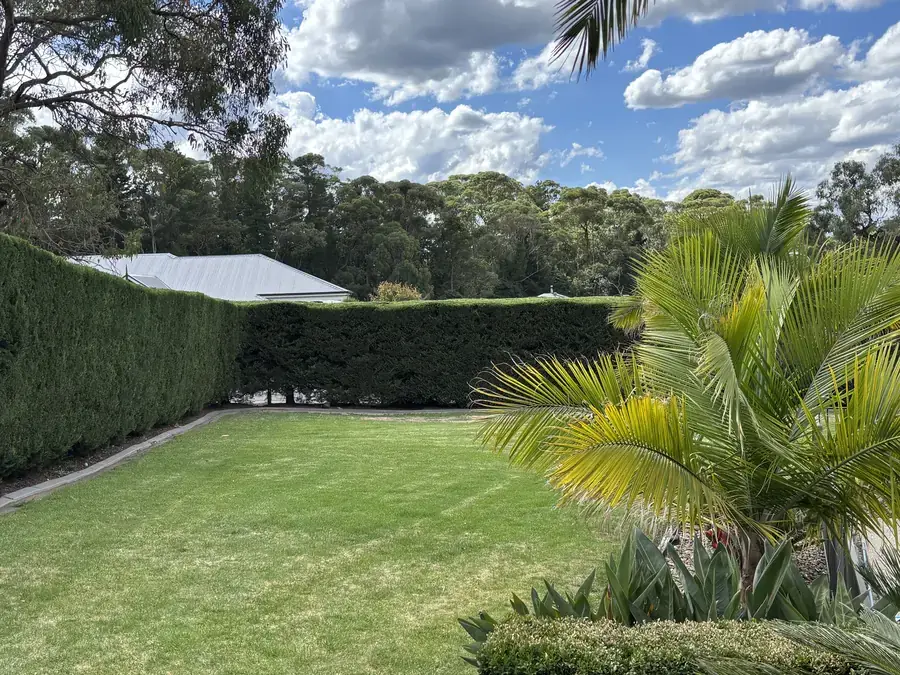
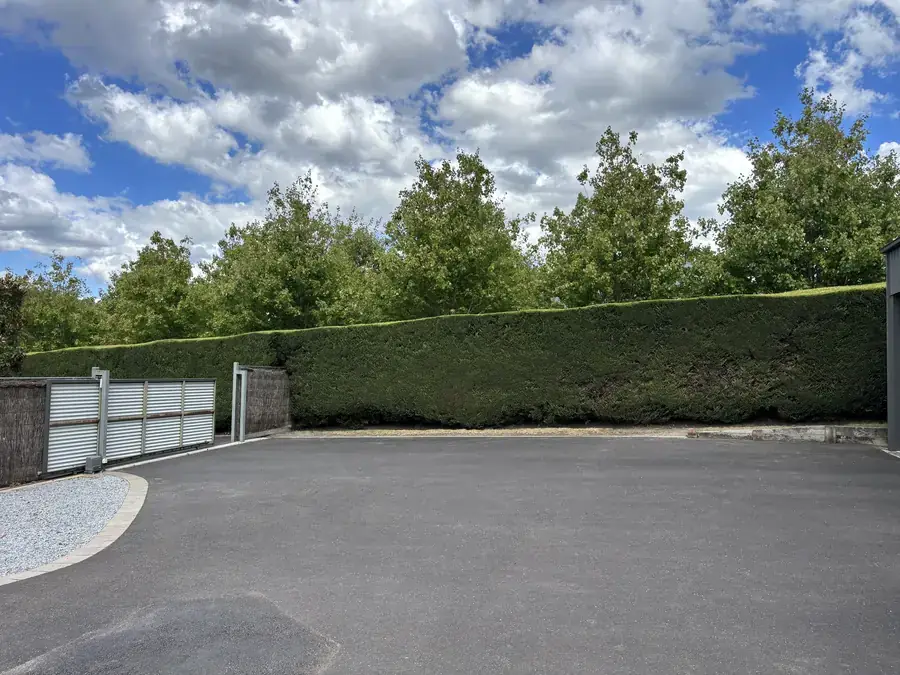
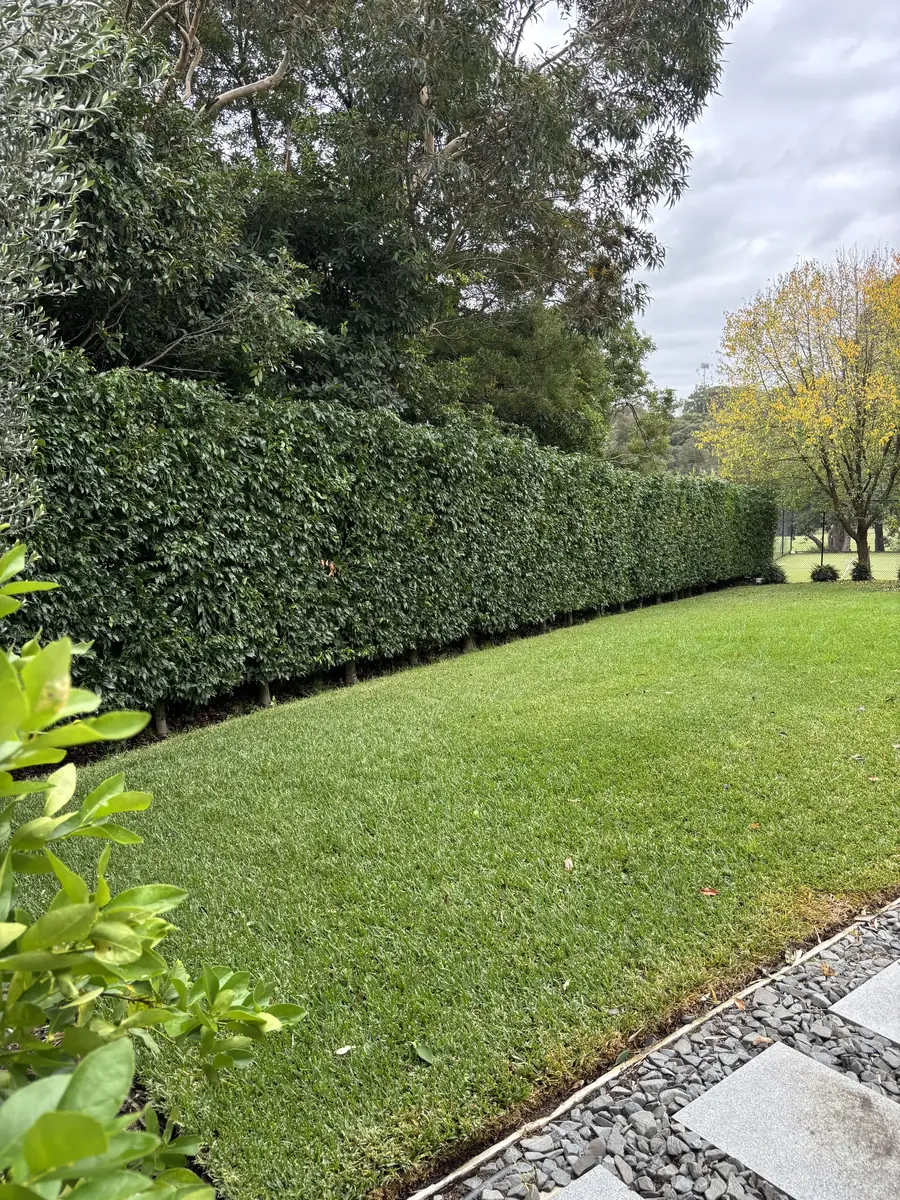
Formal hedges, boundary screens and car park screening cut to a true line, with every cutting raked up and cleared.
Coverage
We trim hedges throughout the Pakenham–Berwick corridor for homeowners, body corporates and commercial sites alike.
See the full Blue Hills service area across South-East Melbourne.
Answers
The main shaping cut is best done in late spring or early autumn, when the plant has enough growing season left to push new growth and close the face. Light tidy-up trims can be done almost any time. Hard reductions are best avoided in the middle of summer heat or deep winter.
Most formal hedges in South-East Melbourne need two to three trims a year to hold a sharp line. Fast growers such as photinia and lilly pilly on good soil may need three or four. A single annual trim will keep a hedge alive but it will slowly thicken and lose its shape.
Yes. Height and width reductions are a core part of what we do. Depending on the species and how far it has to come back, we may stage the reduction across two or three visits over a season so the hedge regenerates rather than being left with bare, brown faces.
Cuttings are always raked out of the beds, cleared off lawns and hard surfaces, and collected — you are never left with a pile to deal with. Whether they leave the property depends on your quote. Green waste removal is priced into the job where the volume calls for it, and where that is stipulated in your proposal we take everything away. On smaller trims we will use your own green bin if that is appropriate, filled sensibly and never overfilled. If you would prefer nothing went in your bin, tell us and we will quote removal instead.
It depends entirely on the species. Photinia, lilly pilly, viburnum and murraya generally reshoot well from old wood. Most conifers and cypress will not reshoot from bare wood, so those can only be trimmed back to green growth. We assess this before cutting and tell you what is safely achievable.
Yes, where safe access allows. We use ladder and pole equipment for taller screens. If a hedge genuinely requires elevated work platform access or crosses into tree work, we will tell you rather than attempt it unsafely.
Get Started
Species-appropriate trimming, honest advice on what is achievable this season, and a full clean-up every visit. Book a free hedge assessment.