
Selective lawn spraying
Broadleaf weeds treated with a selective product that targets the weed and leaves your turf intact. Applied at the right rate and the right time of year.
Weeds, Blocks & Vegetation
Blue Hills provides weed management, block slashing and vegetation management across Pakenham, Officer, Berwick, Narre Warren and the wider South-East Melbourne corridor. On maintained properties we treat weeds in lawns, garden beds, driveways and paths using selective spraying, targeted spot treatment and hand-weeding. On vacant blocks, paddocks, easements and neglected sites we slash and clear overgrown vegetation, including work done to satisfy council fire-prevention notices. All of it is available as a one-off job or as part of a recurring maintenance schedule.
The Service
Free on-site assessment, a fixed price in writing, and no obligation either way.
Get a Free QuoteWeed and vegetation problems sit on a spectrum. At one end is a lawn with bindii and clover through it, where the answer is the right selective product applied at the right point in the season. At the other is a vacant block that has not been touched in two years, where the answer is a slasher, a plan for the debris, and someone who knows what is under the grass before they drive into it.
Blue Hills covers the whole of that range. On maintained properties we use selective treatment on turf, targeted spot treatment and hand-weeding in garden beds — because blanket spraying near established plantings is how people lose shrubs — and knockdown treatment on driveways, paths and gravel where nothing desirable is growing.
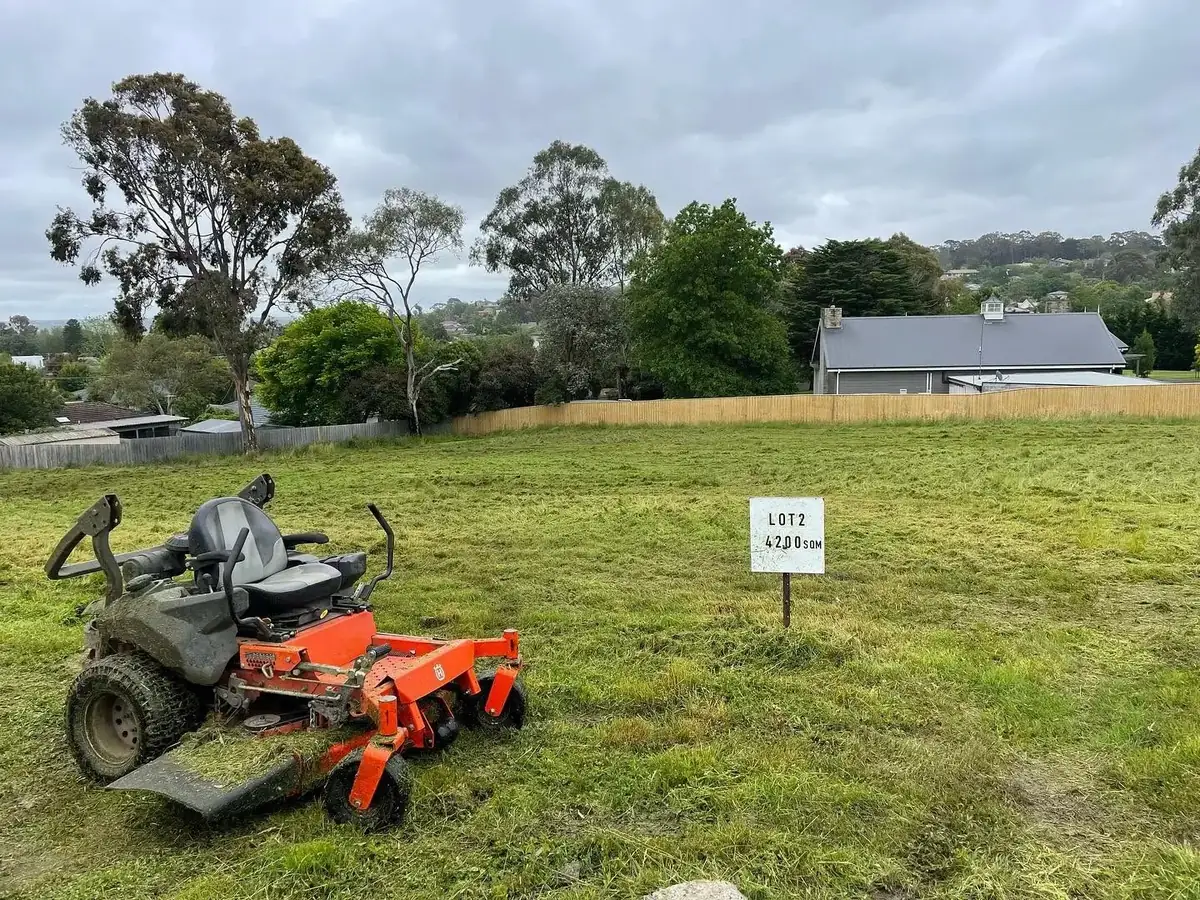
On vacant land, paddocks, easements, fence lines and neglected sites we slash. That covers residential blocks held for future building, rural paddocks, industrial yards, body corporate reserves and land that has attracted a council fire-prevention notice. We walk a block before we cut it, because star pickets, rubbish, stumps and old fencing hidden in long grass are what damage machinery and people.
Timing matters as much as method. Bindii has to be treated in late winter before it sets its seed spike — treat it in January and you are dealing with prickles you could have prevented in July. Fire-prevention slashing has to be done before the declared fire danger period, not after the notice arrives. Clients on a schedule get both handled at the right point in the year without having to think about it.
What's Included
A driveway weed, a lawn weed, a weed in a garden bed and two acres of chest-high grass are four separate problems. Treating them the same way is how gardens get damaged and machinery gets broken.
Broadleaf weeds treated with a selective product that targets the weed and leaves your turf intact. Applied at the right rate and the right time of year.
Weeds in beds treated individually or pulled by hand rather than blanket-sprayed, so nothing drifts onto the shrubs, perennials and edible plantings you actually want.
Knockdown treatment through paving joints, gravel, kerbs and cracks where there is no desirable planting to protect.
Vacant residential blocks, paddocks, easements, fence lines, industrial yards and body corporate reserves cut back to a manageable height. Blocks are walked first so hidden pickets, stumps and rubbish are found before the machine does.
Heavier clearing on sites that have gone past slashing alone — woody regrowth, blackberry and scrub knocked down, access reinstated along boundaries, drains and service runs.
Slashing and clearing to meet Cardinia, Casey and surrounding council fire-prevention notices. Booked ahead of the declared fire danger period rather than after an infringement.
How It Works
A one-off spray kills what is visible today and a one-off slash buys you eight weeks. Reducing the seed bank and staying ahead of the growth curve is what stops the same job recurring at the same cost every season.
We identify what is growing and where — lawn, beds, hard surfaces, or a whole block — and on vacant land we walk it for pickets, stumps, rubbish and drop-offs before any machinery goes on.
Selective on turf, targeted or manual in beds, knockdown on hard surfaces, slashing or heavier clearing on open ground. Nothing is applied or driven near what it could damage.
Weeds treated before seed set, which is what reduces next season's germination rather than clearing this season's growth. Fire-prevention slashing scheduled before the declared period, not after the notice.
A follow-up pass catches the second germination or the regrowth flush. On gardens, mulch, edging and turf density keep the ground covered; on blocks, a scheduled cut is far cheaper than an annual rescue.
What It Costs
Weed treatment is quoted on the area being treated and the method it requires. A selective spray across a suburban lawn is quick and inexpensive. Hand-weeding dense garden beds that have not been touched in a year takes real time and is priced accordingly.
Block slashing and vegetation management are quoted after a site visit, because the price is driven by block size, how high and how woody the growth is, slope, access for the machine, and what is hidden in it. A block cut twice a year is a fraction of the cost per visit of the same block left for two years.
Recurring clients pay far less over a year than one-off callouts, for the simple reason that weed pressure drops once the seed bank is reduced and a block that is kept down never becomes a clearing job. The first treatment or first cut on a badly gone site is always the most expensive one.
Weed work is frequently added to a garden maintenance or mowing schedule at minimal extra cost, since the crew is already on site.
Coverage
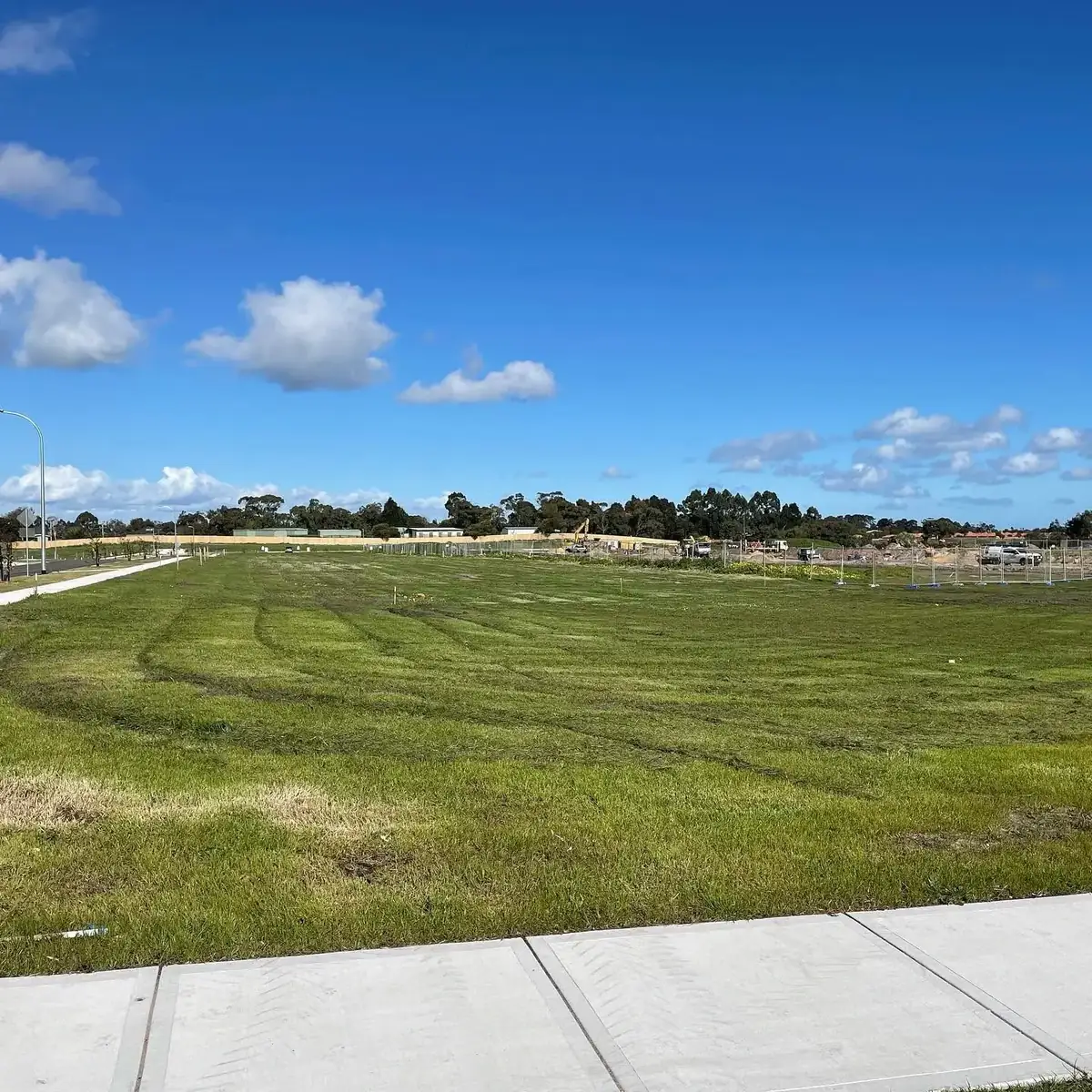
We treat weeds and slash blocks for homeowners, landholders, body corporate common areas and commercial sites throughout the Pakenham–Berwick corridor and the semi-rural belt around it.
See the full Blue Hills service area across South-East Melbourne.
Answers
Yes. Block slashing is a core part of this service. We slash vacant residential blocks, rural paddocks, easements, fence lines, industrial yards and body corporate reserves across Pakenham, Officer, Nar Nar Goon, Tynong, Pakenham Upper and the surrounding areas. Blocks are walked before cutting so hidden star pickets, stumps, rubbish and drop-offs are identified first.
Yes, and it is a large part of what we do through spring. Cardinia, Casey and neighbouring councils issue fire-prevention notices requiring blocks to be cut back before the declared fire danger period. We slash to that standard and can do it on a recurring schedule so the notice never becomes an infringement. Book early — the weeks either side of the deadline are the busiest of our year.
Slashing cuts grass and light growth back to a manageable height and suits blocks kept on a regular cycle. Vegetation management is the heavier work on sites that have gone past slashing — woody regrowth, blackberry and scrub knocked down, boundaries and access tracks reinstated. We tell you at the assessment which one your site actually needs.
Not when a selective product is used correctly. Selective herbicides target broadleaf weeds and leave turf grasses unaffected. Damage generally comes from the wrong product, the wrong rate, or spraying in extreme heat — all of which are avoidable.
Bindii should be treated in late winter, roughly July to August, before it sets its seed spike. Treating it once the prickles have formed kills the plant but the prickles remain. Treating it early is the only way to have a bindii-free lawn by summer.
Most broadleaf lawn weeds visibly yellow within a few days and fully break down over one to three weeks depending on the weed and the weather. Tougher perennials such as oxalis and nutgrass usually need repeat treatments across a season.
Treated areas should be kept clear until the application has fully dried, which is typically a few hours in normal conditions. We let you know the re-entry period on the day and can schedule treatment for a time that suits your household.
Yes. In beds we use targeted spot treatment and hand-weeding rather than blanket spraying, specifically so nothing drifts onto established shrubs, perennials or edible plantings. Close to sensitive plants, hand-weeding is the default.
Yes, and they are considerably cheaper than one-off callouts. Recurring weed treatment progressively reduces the seed bank so there is less to deal with each year, and a block kept on a scheduled cut never turns into a clearing job. Both can be built into an existing garden maintenance or mowing schedule.
Get Started
Lawns, garden beds, driveways, vacant blocks and overgrown sites — treated or slashed properly, timed correctly, and without collateral damage.